Module 1 Formstorming

Weekly Activity Template

Lauren Clark


Project 1


Module 1

This module focuses on developing a further understanding and knowledge of working with conductive circuits in a direct action and response function. Working throughout this project will enforce greater competency of interaction, what it involves, and how to best display the concept in a simple form. This requires the designer to evaluate everyday actions and how they may respond, in order to translate it at an equally simple response, aiming to not over complicate things as a whole.

Activity 1

A circuit on paper using materials provided in class. This circuit is not active. A circuit on paper using materials provided in class. This circuit is not active, and was an attempt that failed. A second circuit on paper using materials provided in class. This circuit is active and successful. The light is brighter due to physical touch. A second circuit on paper using materials provided in class. This circuit is active, successful and does not involve physical touch to the light. A second circuit on paper using materials provided in class. This circuit is not active. A second circuit on paper using materials provided in class. This circuit is not active and has the battery moved into place. A second circuit on paper using materials provided in class. This circuit is active. A third circuit on paper using materials provided in class. This circuit is not active and remained unsuccessful. A fourth circuit on paper using materials provided in class, involving a conductive thread. This circuit is active. A fourth circuit on paper using materials provided in class, involving a conductive thread. This circuit is not active with the battery in place. A fourth circuit on paper using materials provided in class. This circuit is not active. A fifth circuit on paper using materials provided in class, involving a conductive thread. This circuit is active. A fifth circuit on paper using materials provided in class, involving a conductive thread. This circuit is more active with the assistance of human pressure. A modified fifth circuit on paper using materials provided in class, involving a conductive thread. This circuit is active. A modified fifth circuit on paper using materials provided in class, involving a conductive thread. This circuit is active. A modified fifth circuit on paper using materials provided in class, involving a conductive thread. This circuit is not active. A sixth circuit on paper using materials provided in class, involving a conductive wire. This circuit is not active. A sixth circuit on paper using materials provided in class, involving a conductive wire. This circuit is not active and was not successful. A seventh circuit on paper using materials provided in class. This circuit is active. A seventh circuit on paper using materials provided in class. This circuit is not active, with the battery positioned. A seventh circuit on paper using materials provided in class. This circuit is not active. A seventh circuit on paper using materials provided in class, now with a conductive wire. This circuit is active. A seventh circuit on paper using materials provided in class, now with a conductive wire. This circuit is not active. A seventh circuit on paper using materials provided in class, now with a conductive thread. This circuit is active. A seventh circuit on paper using materials provided in class, now with a conductive wire. This circuit is not active.

Activity 2

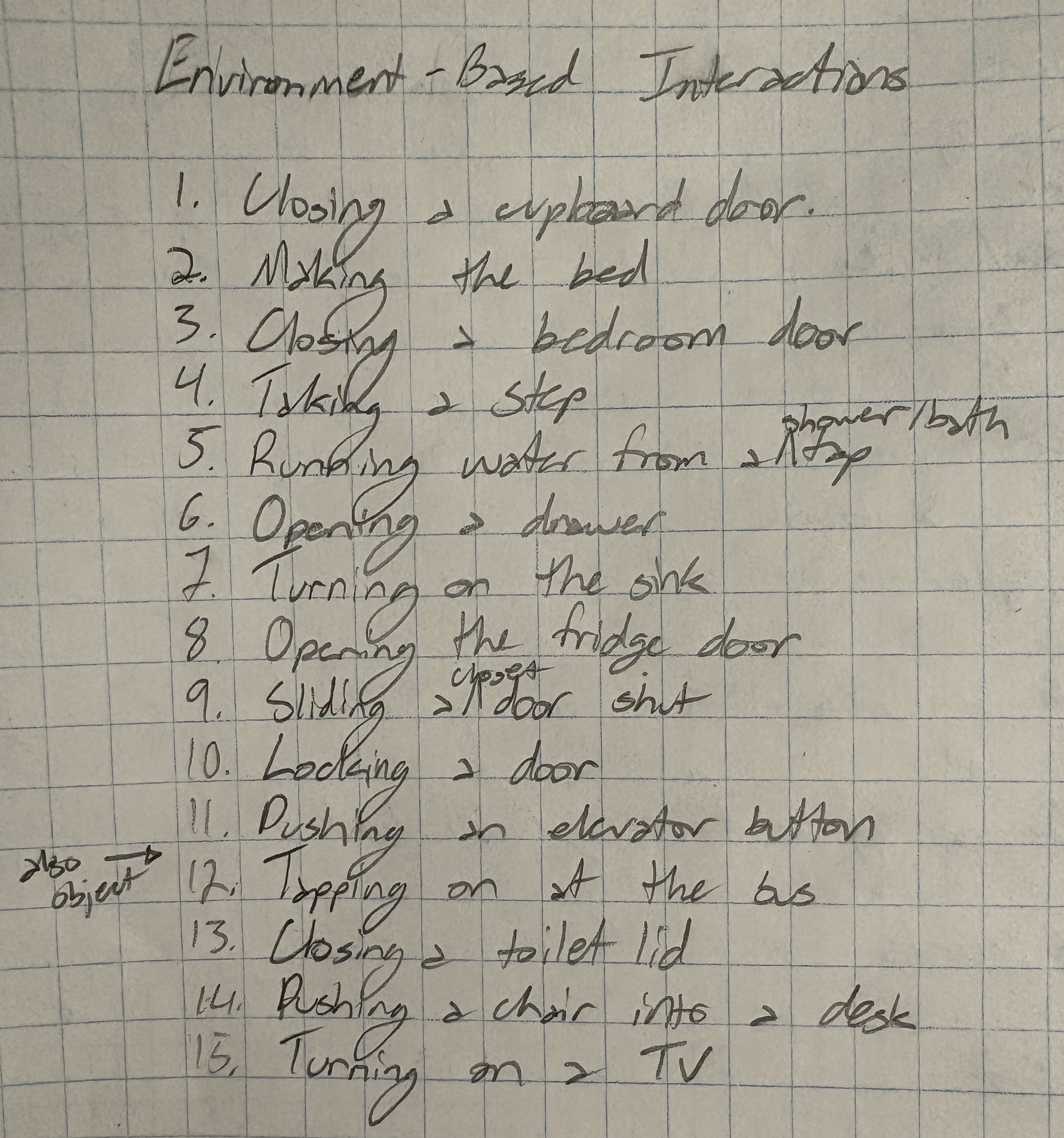
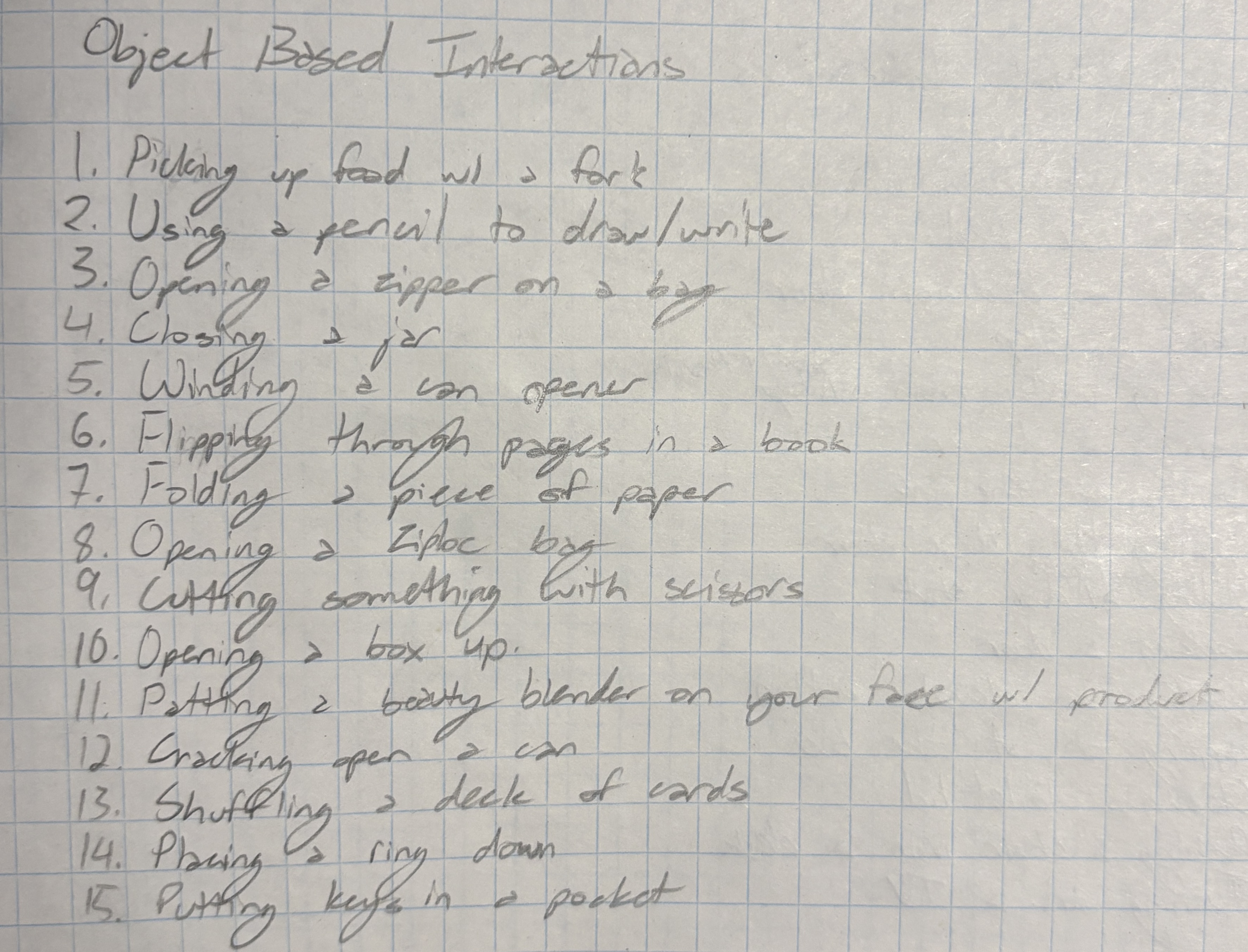
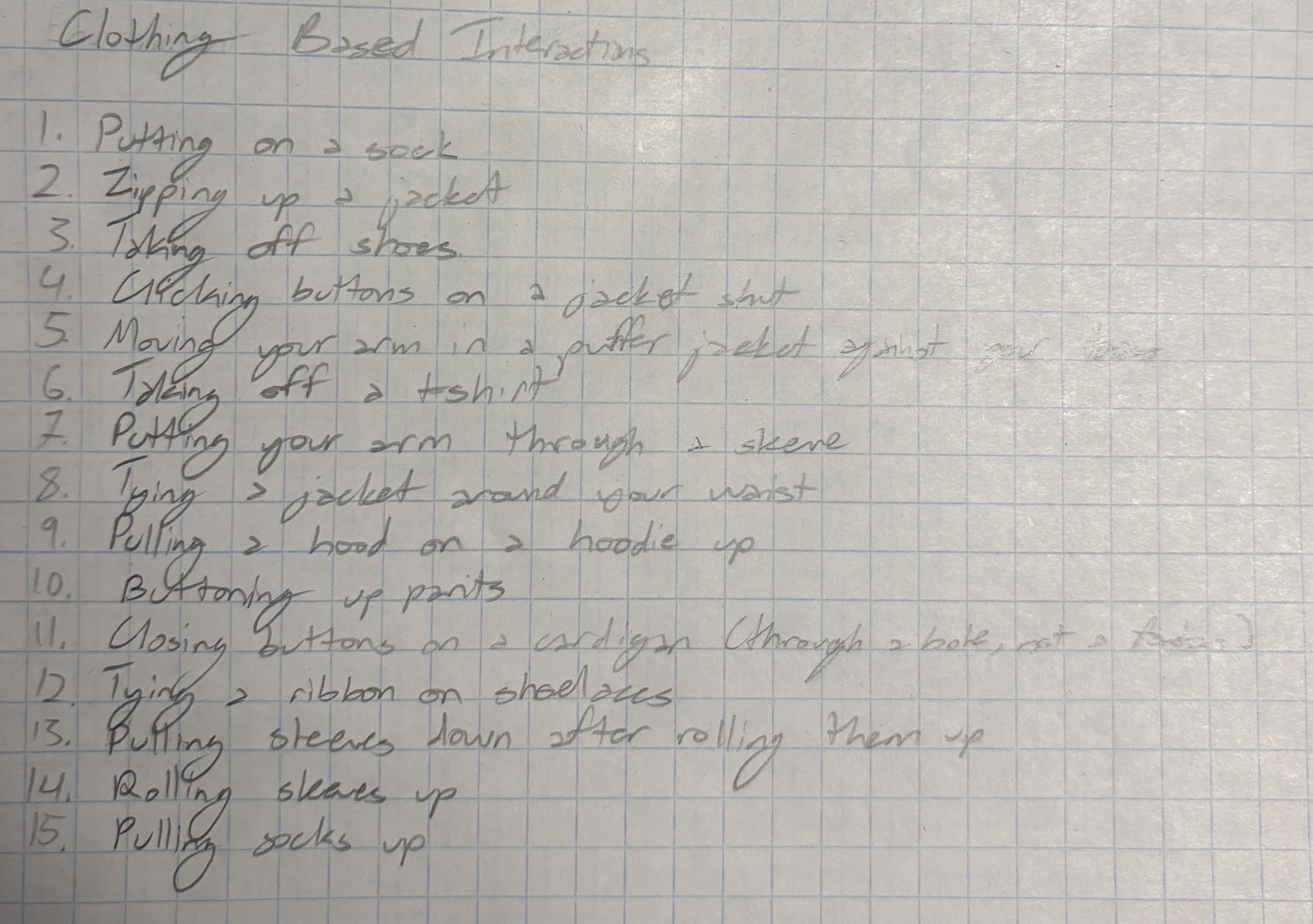
The brainstorming for environment-based interactions. The brainstorming for object-based interactions. The brainstorming for clothing-based interactions. Opening a cupboard door, an environment-based interaction. Opening a bedroom door, an environment-based interaction. Turning on a sink, an environment-based interaction. Opening a drawer, an environment-based interaction. Opening a fridge door, an environment-based interaction. Locking a door, an environment-based interaction. Turning on a television, an environment-based interaction. Opening a can of soda, an object-based interaction. Opening a jar, an object-based interaction. Flipping pages in a notebook, an object-based interaction. Cutting a piece of paper, an object-based interaction. Rolling up a sleeve, a clothing-based interaction. Making a bed, an environment-based interaction. Writing on a page, an object-based interaction. Pushing a chair in, an environment-based interaction.

Project 1


Final Project 1 Design

Wearable Interactive Affordance Based Circuit

For the final part of the project I decided on making a simple circuit that would be a productive and helpful signal to the user. The light is on once the bag is fully closed, signally to the user that things are safely secured.
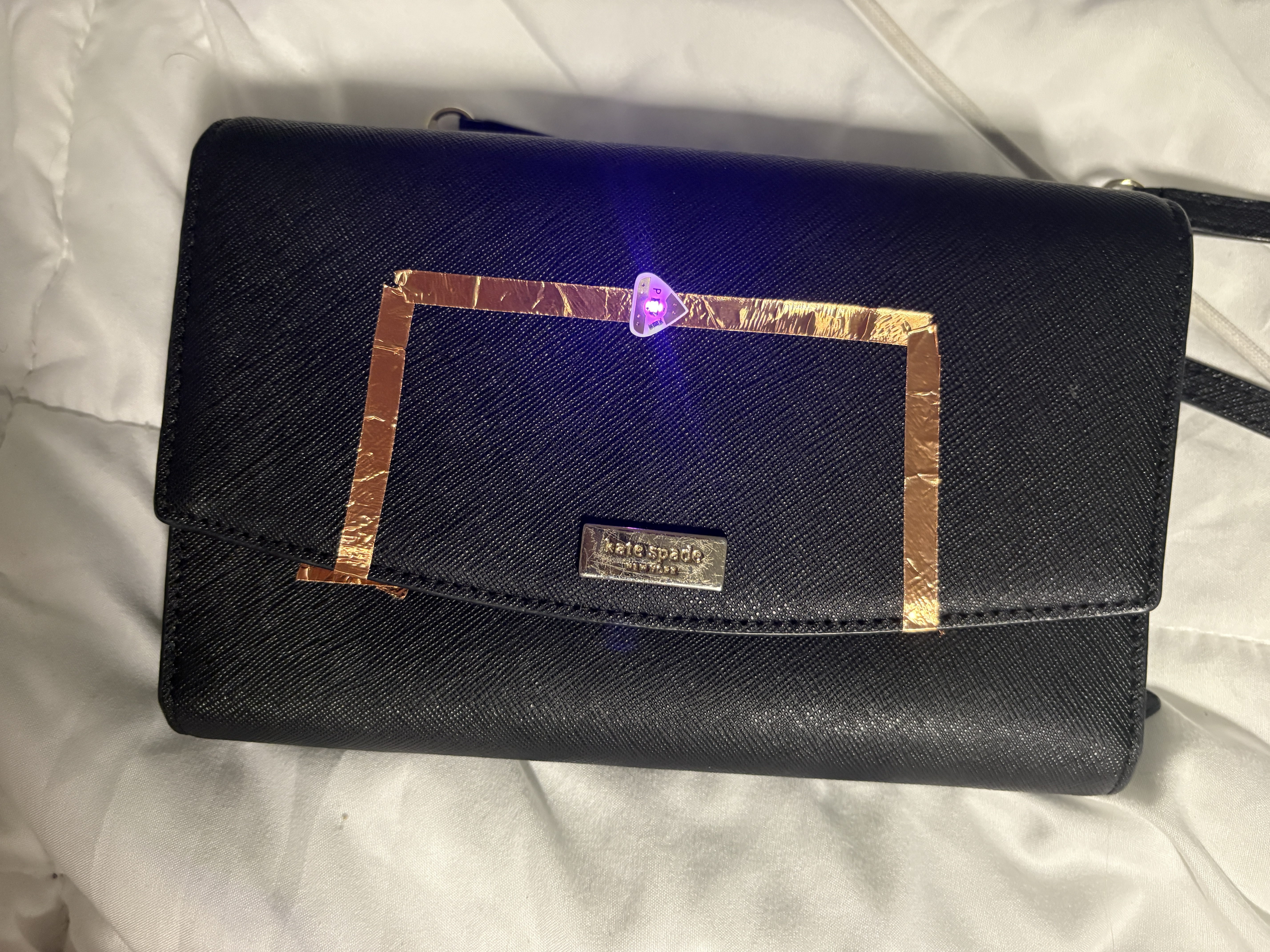
Final Wearable Circuit

Non-Wearable Interactive Affordance Based Circuit

For the non-wearable final part of the project I chose something which would be cohesive to the other part of the final project, as it would signal to users that a door is close by a light turning on/off. Once the door makes contact with the frame, the light turns on and will not go off until the door is opened.
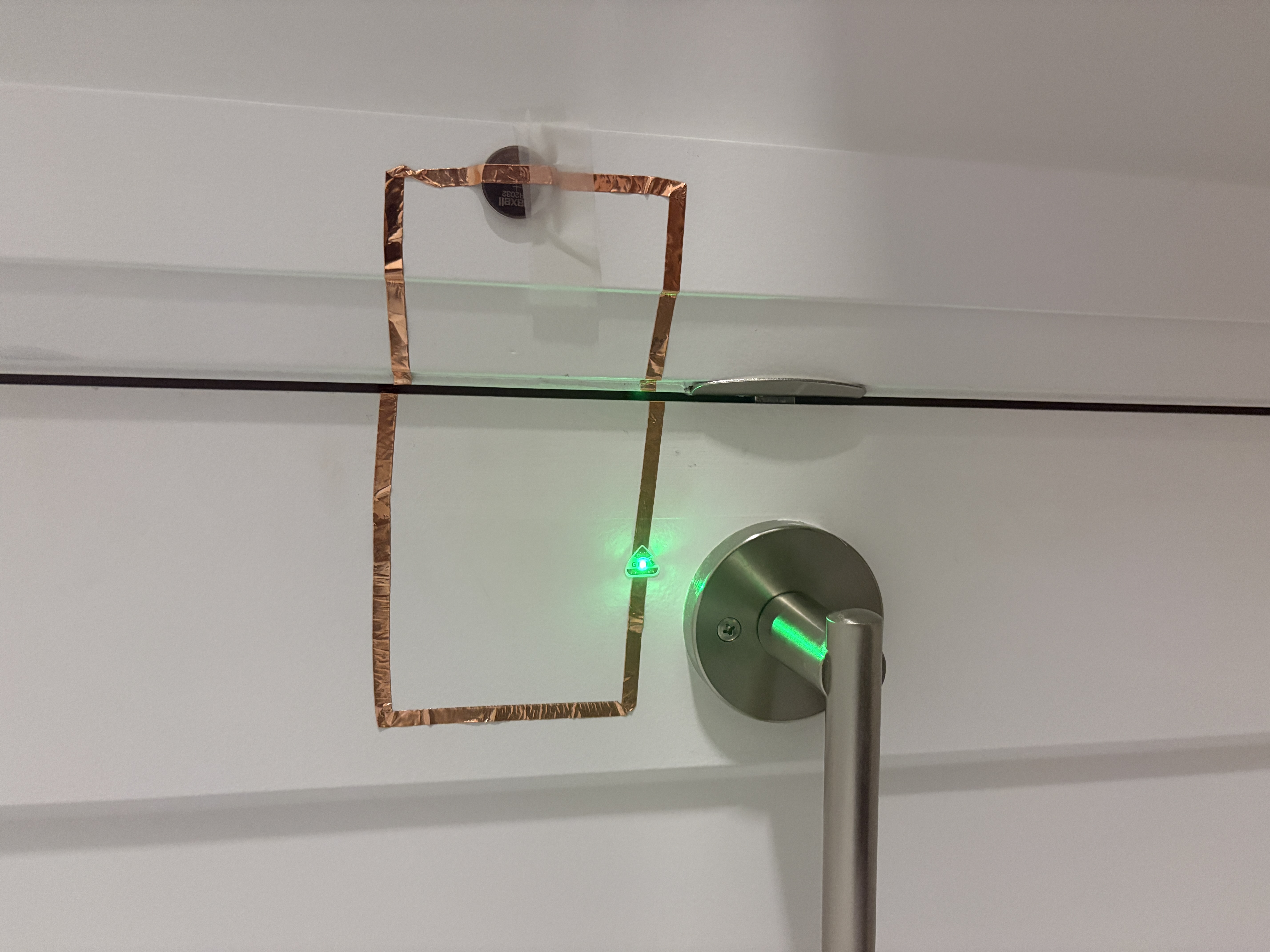
Final Unwearable Cicrcuit
×

Powered by w3.css